
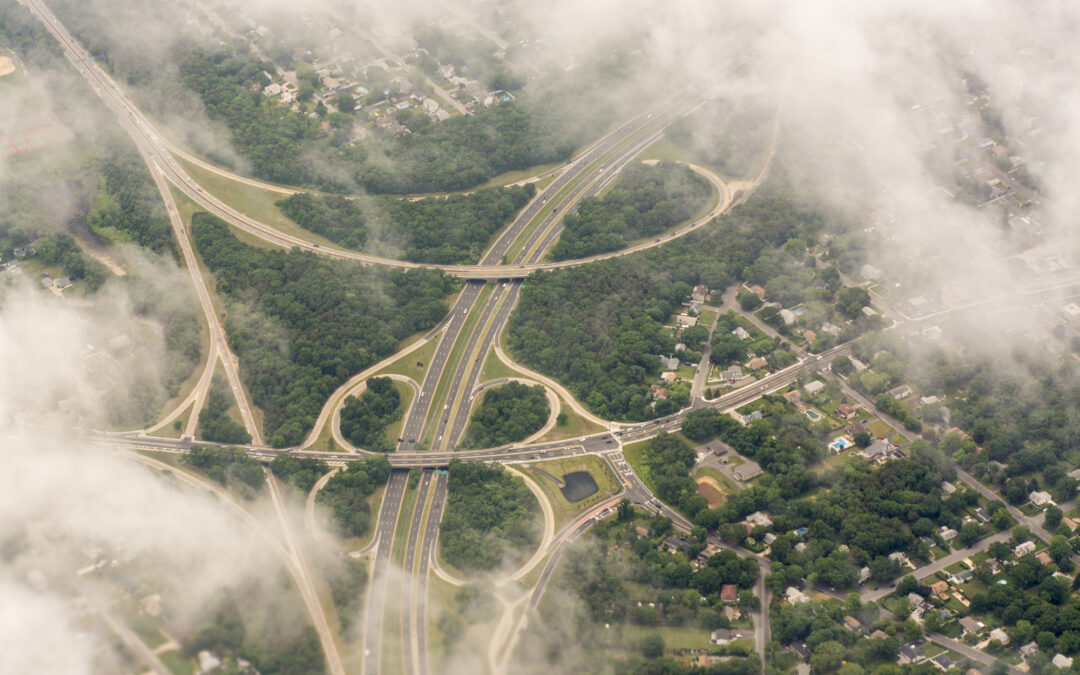
The Hudson Valley looks beautiful from the ground, but from the sky, it offers a whole new perspective. Rolling hills, winding rivers, historic towns, and colorful forests come together to create a remarkable landscape. From 13,500 feet, familiar places become part of a much bigger picture.
On a clear day, the view can reveal natural landmarks and distinctive features that are easy to miss when traveling by road. Here are five Hudson Valley sights worth watching for from above.
The Winding Hudson River and Its Scenic Banks
The Hudson River is the defining feature of the valley. It stretches through the region like a broad ribbon, connecting waterfront communities and historic settlements. From 13,500 feet, its curves become easier to appreciate, especially where the river bends between steep ridges and open countryside.
Look for the contrast between the water and the surrounding landscape. The river’s surface may reflect the sky, while boats appear as tiny marks against the blue or green water. Along the banks, marinas, bridges, and developed waterfronts offer clues about how communities have grown around this important waterway. The river also changes character as it moves through the valley. Some stretches look wide and open, while others feel enclosed by forested hills. Its changing shape creates a natural guide for your eyes as you take in the scenery.
The Majestic Catskill Mountains
The Catskill Mountains provide some of the Hudson Valley’s most impressive natural scenery. Their rounded peaks and long, forested ridges create a dramatic backdrop to the region’s farms and river communities. From high above, the mountains appear as layers of green, blue, and gray that fade toward the horizon. On a clear day, look for the broad outlines of the mountain range and the way its ridges rise and fall. Individual trees may be impossible to distinguish, but the forests create rich textures across the slopes. Valleys and gaps between the peaks add depth to the view.
The Catskills are especially striking in autumn. As the leaves change, forests develop patches of red, orange, yellow, and gold. These colors spread across the hillsides, making the mountain range look almost painted from above. Spring and summer bring deeper greens, while winter can reveal pale slopes and snow-covered summits.
Weather and visibility affect how much detail you can see. Haze may soften distant peaks, while clear air can make the landscape appear sharper and more expansive. Either way, the Catskills offer a memorable reminder of the natural beauty that surrounds the Hudson Valley.
The Bear Mountain and Hudson Highlands Landscape
South of the central valley, the Hudson Highlands create a striking landscape of rugged hills and forested slopes. Bear Mountain is one of the area’s best-known landmarks. Its surrounding scenery includes steep terrain and broad stretches of protected woodland. From the air, the Highlands stand out because of their varied shapes. Instead of the gentler lines of open farmland, you’ll see ridges rising sharply from the surrounding terrain. The Hudson River winds through this mountainous section, creating a dramatic contrast between water and rock.
Bear Mountain State Park covers a large area of forest and outdoor recreation land. Its trails and scenic overlooks attract visitors throughout the year. From 13,500 feet, however, the park becomes part of a much wider pattern of green hills and connected ridgelines.
Historic Towns and Riverside Communities
The Hudson Valley is known for its small towns and historic communities. From above, places along the river form recognizable clusters of streets, buildings, parks, and waterfront development. These details can be fascinating to observe, even when individual structures are too small to identify.
Bridges are particularly interesting landmarks. They connect communities on opposite sides of the Hudson and create clear lines across the water. Depending on your location and visibility, you may spot major crossings such as the Mid-Hudson Bridge near Poughkeepsie or the Kingston-Rhinecliff Bridge farther north. The Mid-Hudson Bridge is known for its suspension design and its role in connecting Poughkeepsie with the eastern side of the river. From high above, it may appear as a narrow line linking two developed areas. The Kingston-Rhinecliff Bridge provides another example of how infrastructure follows the river’s geography.
Farmland and Forests
Beyond the river and mountains, the Hudson Valley contains a varied mix of farmland, wooded areas, and open countryside. From 13,500 feet, these features form a patchwork of shapes and textures. Fields create geometric patterns, tree lines divide properties, and roads connect scattered homes and rural communities. Agricultural land is especially easy to appreciate from above. Orchards may form neat rows, while larger fields create broad blocks of green, brown, or gold. The changing colors depend on the season, the crops being grown, and recent weather.
Forests add another layer of visual interest. Large wooded areas create continuous stretches of green during warmer months. In fall, the canopy becomes a mix of bright colors that can make the countryside look dramatically different from one week to the next. Winter offers a simpler palette of bare branches, evergreens, and open ground.
The best part is that no two flights offer the same view. Cloud cover, sunlight, visibility, and seasonal changes all influence what stands out.
Final Thoughts
The Hudson Valley has plenty to offer from the ground, but seeing its rivers, mountains, and countryside from thousands of feet above creates a different kind of appreciation. If you’re ready for an unforgettable view, explore the thrill of skydiving and discover the landscape from a whole new angle.
Reach out to us today to book!
Frequently Asked Questions
What can you see from 13,500 feet over the Hudson Valley?
Depending on your location and the weather, you may see the Hudson River, the Catskill Mountains, the Hudson Highlands, bridges, historic towns, and stretches of farmland. Clear conditions can also reveal distant ridgelines and a much wider view of the surrounding countryside.
What is the best season to see the Hudson Valley from above?
Fall is especially popular because the changing leaves create vivid colors across the forests and mountains. Spring and summer offer lush greenery, while winter can reveal a more open landscape.
Does the weather affect the views during a skydive?
Yes, clouds, haze, precipitation, and sunlight all affect visibility.
Can you identify individual landmarks from 13,500 feet?
Some large landmarks, such as major bridges and mountain ranges, may be recognizable from above. Smaller buildings and specific streets can be harder to identify, particularly when visibility is limited or the aircraft is moving.
 Please Read Before You Book Your First Jump Course!

Recent Comments